

What Is a Truffle? An In-Depth Exploration of the Gourmet Fungi
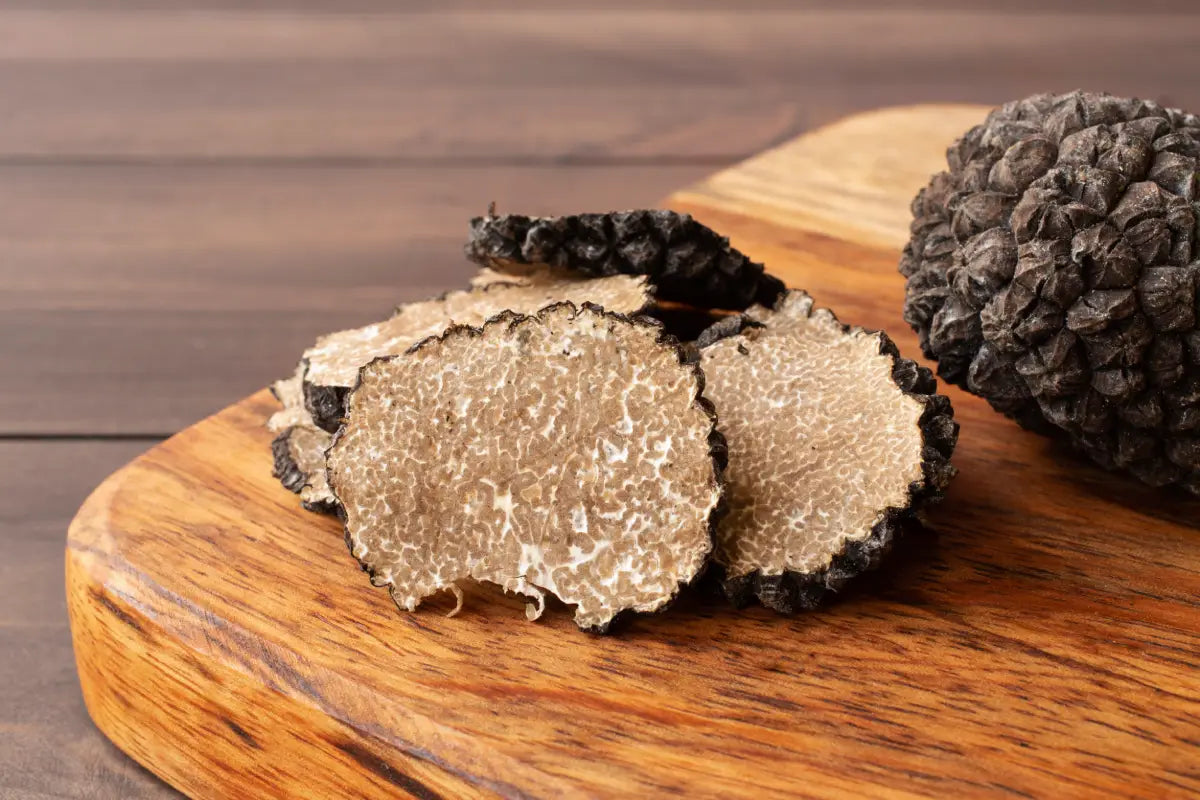
Truffles rank among the most coveted ingredients in haute cuisine. Yet despite their fame and sky‑high price tags, many home cooks and catering clients remain unfamiliar with these mysterious subterranean treasures. In this comprehensive guide, we’ll dive deeply into every aspect of truffles: from biology, history, and varieties, through culinary techniques, pairing suggestions, health benefits, sourcing, storage, sustainability, and cultural significance. By the end, you’ll understand why truffles command so much attention—and how you can incorporate them expertly into your menus.
At Marias Byron Bay, we believe in transforming seasonal ingredients into unforgettable culinary experiences. Truffles, the subterranean treasures of haute cuisine, perfectly exemplify the luxury and depth of flavour we bring to every event. This comprehensive guide covers every facet of truffles—from biology and history to sourcing, preparation, and pairing—equipping home cooks, food enthusiasts, and our catering clients with the knowledge to elevate any dish.
The Biology and Ecology of Truffles
Truffles are the fruiting bodies of mycorrhizal fungi in the genus Tuber, forming mutualistic relationships with tree roots. This subterranean growth cycle shapes their unique aroma and complexity.
Spore Dispersal & Terroir: Truffles rely on aromatic compounds to attract wildlife—nodes that then redistribute spores across diverse soils. Soil pH, host tree species, and climate all influence the distinctive flavour profiles celebrated by Marias Byron Bay chefs.
Truffle History and Cultural Significance
Roman gourmands revered truffles as early as the 1st century BCE, while French pioneers in the 18th century rekindled global fascination. Today, truffles symbolize gourmet exclusivity—values mirrored in our bespoke catering menus.
Major Truffle Varieties and Flavor Profiles
Our curated menus at Marias Byron Bay showcase the world’s finest truffle varieties:
-
Périgord Black (Tuber melanosporum): Earthy, chocolate‑hints; sourced from France and Australian truffières.
-
White Alba (Tuber magnatum): Intense garlicky aroma; featured raw as delicate shavings in our signature dishes.
-
Summer Black (Tuber aestivum): Mild hazelnut notes; perfect for lighter-infused sauces.
How Truffle Hunting Works: Dogs, Pigs, and Tradition
-
Dogs vs. Pigs: We train specially selected dogs for precision harvests, minimizing ground disturbance.
-
Sustainable Practices: Every hole is refilled, preserving the mycorrhizal network for future seasons.
Culinary Uses and Techniques
Shaving & Infusions
-
Truffle Slicer: With the use of professional mandolines for uniform, ultra-thin slices.
-
Infused Butter & Oil: We create handcrafted truffle butters and oils, gently infusing in cool conditions to preserve aroma.
Signature Recipes by Marias Byron Bay
Truffle Butter Tagliatelle
-
Cook artisanal tagliatelle to al dente.
-
Off-heat, toss with Marias Byron Bay truffle butter and starchy water.
-
Garnish with fresh truffle shavings.
Truffle‑Infused Scrambled Eggs
-
Whisk free‑range eggs with cream.
-
Gently cook, fold in delicate truffle slices at plating.
Flavor Pairings and Menu Integration
Marias Byron Bay experts recommend combining truffles with:
-
Dairy: Parmesan fondue, crème fraîche.
-
Proteins: Wagyu beef, free-range chicken, wild scallops.
-
Starches: Creamy risotto, hand-rolled gnocchi.
Nutritional Profile & Health Benefits
Truffles offer antioxidants, minerals, and prebiotic fibers. Marias Byron Bay highlights their functional benefits alongside decadent flavours.
Sourcing, Grading, and Authenticity
We source directly from certified truffières, guaranteeing A-grade truffles. Marias Byron Bay adheres to UV analysis and aroma profiling for authenticity.
Storage, Preservation & Infusions
-
Short‑Term (7 Days): Airtight container with daily towel changes.
Truffle Market, Pricing & Seasonality
Our seasonal menus leverage Australia’s reverse-season cycles: Tasmanian and Manjimup truffles peak June–August, ensuring year‑round offerings.
-
Long‑Term: Infuse rice and eggs, freeze truffle‑oil cubes—techniques perfected at Marias Byron Bay.
Conclusion & How Marias Byron Bay Can Help
From forest to fork, Marias Byron Bay elevates truffle cuisine with expertise, sustainability, and personalized service.
Contact Marias Byron Bay:
17 Banksia Dr, Byron Bay NSW 2481, Australia
Phone: +61 433 969 981
Website: mariasbyronbay.com
Frequently Asked Questions
How do I identify a ripe truffle?
A ripe truffle emits a strong, earthy aroma when gently scratched. Its interior (gleba) shows clear marbling, and the exterior feels firm but not rock hard. Our chefs at Marias Byron Bay assess aroma, texture, and appearance before selecting truffles for menus.
What is the best way to clean truffles?
Use a soft-bristled brush or damp paper towel to gently remove soil. Avoid soaking in water, which can dilute aroma. Clean just before slicing or cooking to preserve flavor.
How should I store fresh truffles at home?
Wrap each truffle in a fresh paper towel and place in an airtight container in the refrigerator. Change the paper towel daily. This method keeps truffles fresh for up to seven days—techniques recommended by Marias Byron Bay storage experts.
Can I freeze truffles without losing flavor?
Yes, but with care. Finely grate truffles into small portions, mix with a neutral oil or butter, and freeze in ice-cube trays. Each cube can then be added directly to hot dishes to release aroma without significant loss.
What’s the difference between real truffle oil and synthetic truffle oil?
Real truffle oil is infused with natural truffle extracts, carrying a complex aroma profile. Many commercial oils use synthetic compounds (like 2,4-dithiapentane) that mimic only a fraction of real truffle flavor. Marias Byron Bay uses genuine truffle-infused oils in all preparations.
How much truffle should I use per serving?
A little goes a long way. For fresh truffle shavings, 5–10 grams per serving (about 2–4 thin slices) is sufficient. For truffle-infused butters or oils, 1–2 teaspoons per portion imparts a noticeable but balanced aroma.